Most guides to starting a vending business are written by people who have never delivered a machine. This one is written by the people who install them, come back when they jam, and see which ones are still trading a year later.
Here is what it actually takes.
What it costs to start
There are only three numbers that matter at the beginning.
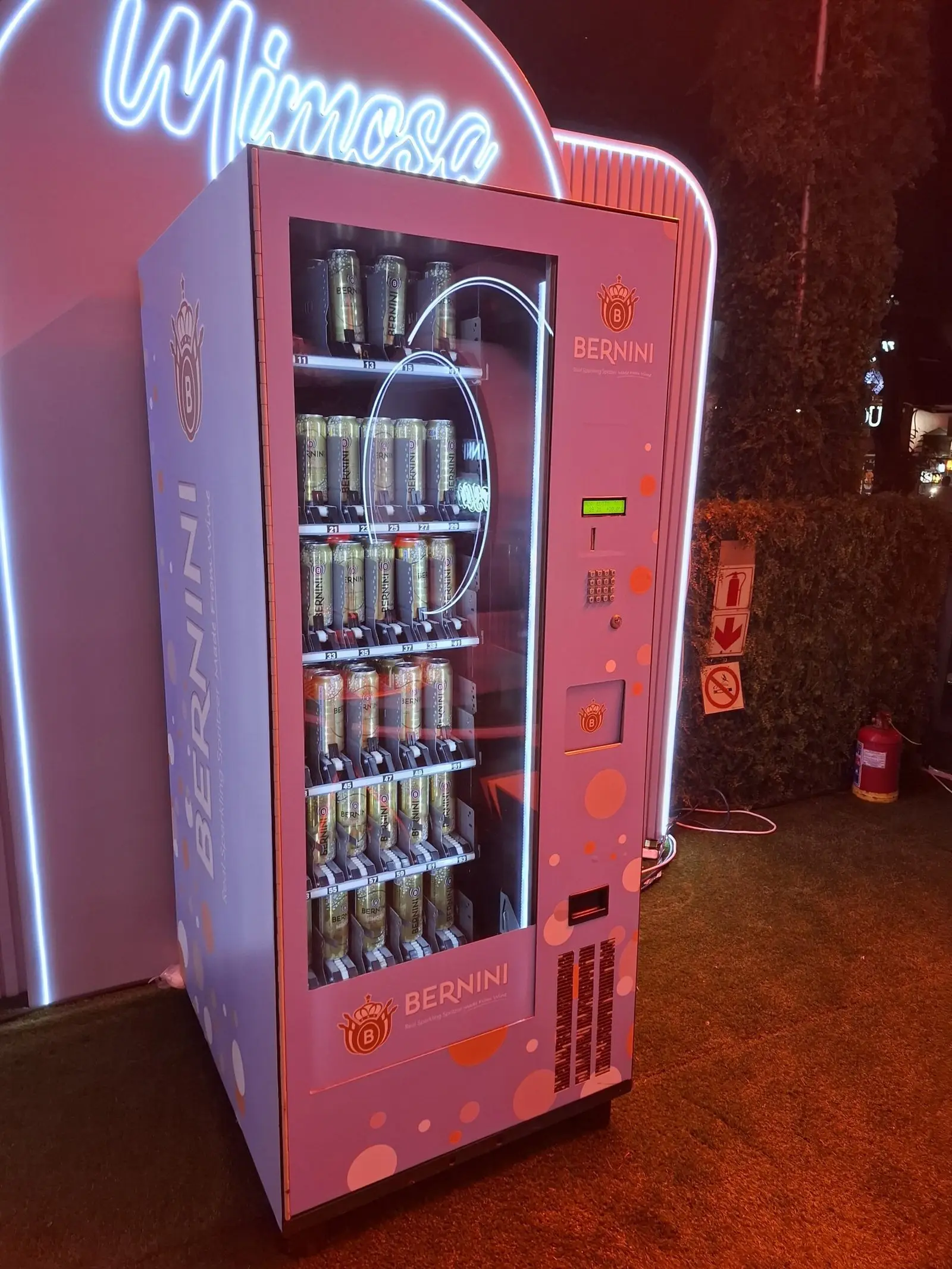
The machine. A new combo machine starts around R65 000 excluding VAT (R74 750 including). A professionally refurbished one starts around R50 000 excluding VAT — a used machine, fully stripped, deep-cleaned, serviced and tested, with anything not working replaced. New machines carry a 12-month parts warranty; refurbished carry 6 months. There is also choice: with refurbished you get what has come through the workshop, not what you picked from a catalogue.
The stock. Budget for a full first fill plus a second one. The first fill teaches you nothing, because you guessed. The second fill is the one you buy from real sales data.
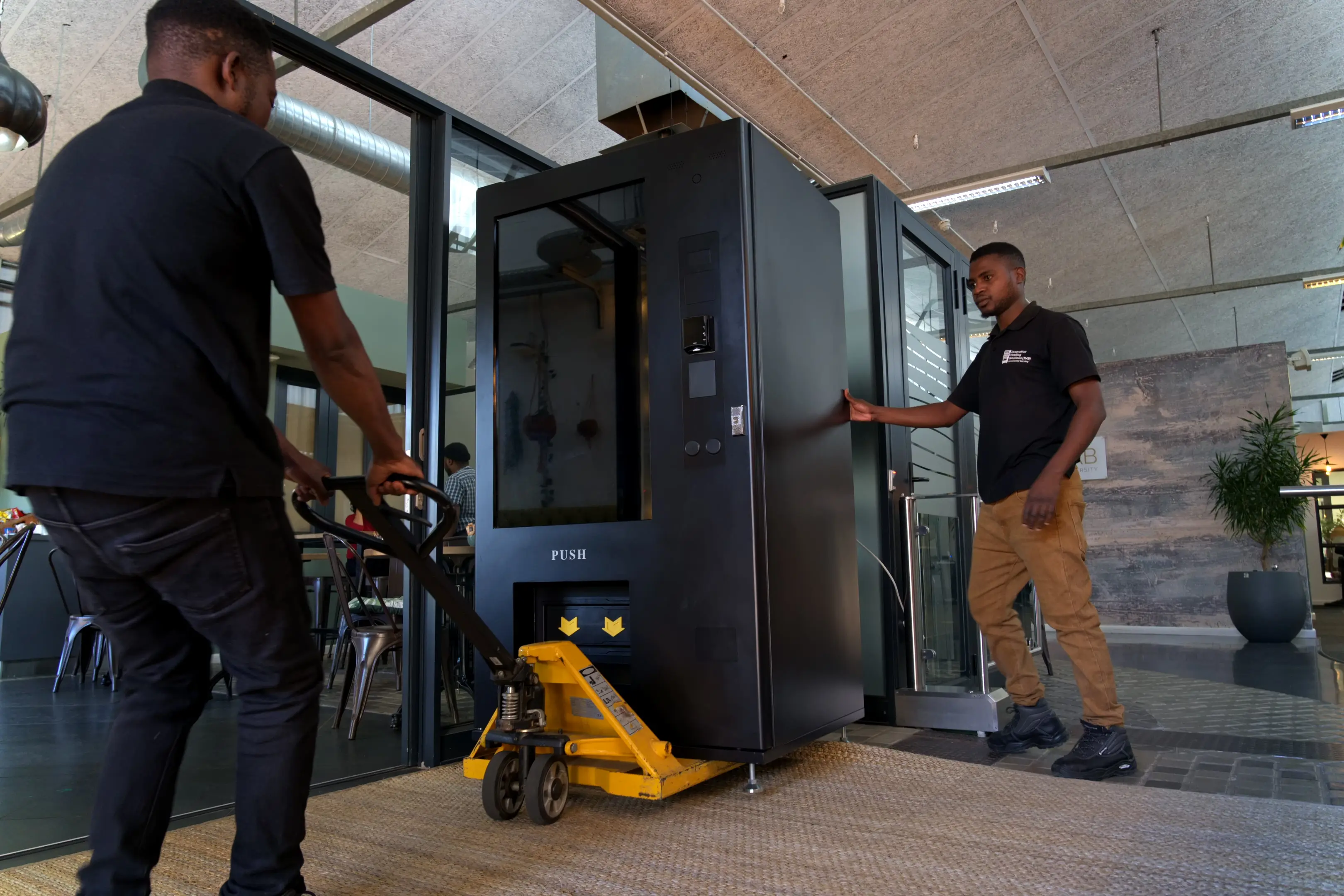
Getting it there. Delivery and installation are quoted per site, and the number is driven by access, not distance. A ground-floor loading bay and a third-floor walk-up with no lift are very different jobs on the same street.
Then there are the running costs people forget: a small monthly data cost per machine if you fit cashless, transaction fees on card takings, and repairs outside the parts warranty.
See our pricing page for the current bands.
You are not buying a machine, you are buying a site
This is the part that decides whether the business works, and it is the part most first-time buyers rush.
A machine in a mediocre location with perfect stock loses to a machine in a great location with adequate stock, every single time. Before you think about models, answer these:
- How many people pass it, and when? Not how many work in the building — how many walk past that spot.
- What else is nearby? A café thirty seconds away caps your prices and your volume. Being the only option at 6 a.m. does the opposite.
- Who is there outside office hours? Night shift, early starts, weekend sport and boarding houses are where vending genuinely beats retail, because nothing else is open.
- Is it visible and lit? A machine round a corner earns a fraction of the same machine in the line of sight.
- Who controls the space, and what do they want? Get the arrangement with the site in writing before the machine arrives, not after.
Good early sites in South Africa tend to be workplaces with shift patterns, gyms and sports clubs, student residences, clinics and hospitals, and industrial parks a long walk from the nearest shop.
Buy or rent?
Both work. They suit different people.
Buy if you want to own the asset and keep everything it takes. Anyone can buy — there is no trading-history requirement — and you are operating from day one.
Rent on a self-manage basis if you would rather not put the capital in. You stock it and keep 100% of the revenue, and we handle training, maintenance and support. The catch: self-manage rentals are only available to registered businesses trading for at least twelve months, and they are billed to the entity, not a personal account.
If that twelve-month rule rules you out, buying is your route in. That is how most of our independent operators started — including a school pupil who bought a Palma and is earning from it while still at school.
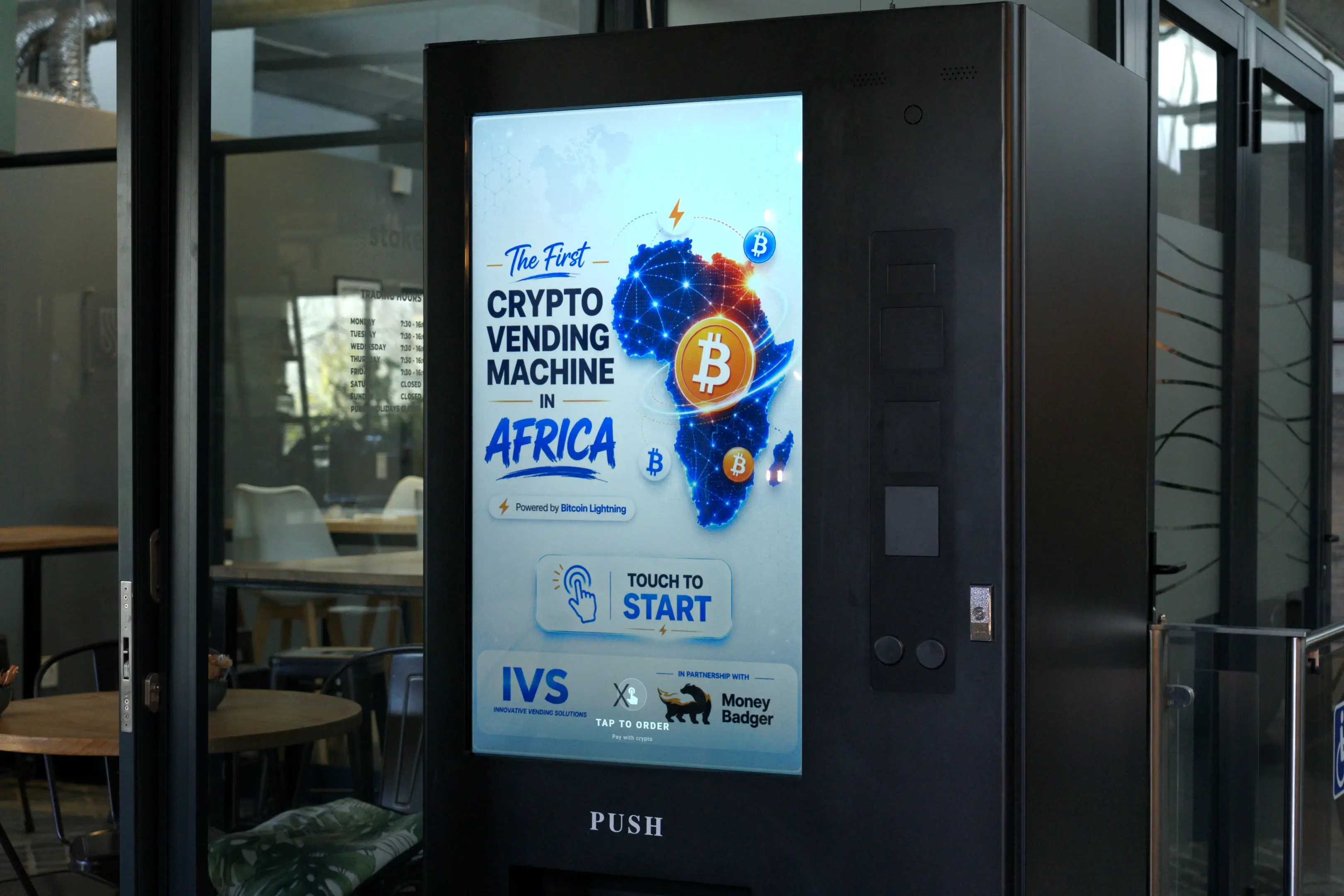
Fit cashless from the start
Retrofitting later costs more than fitting it up front, and cash costs you more than the terminal does.
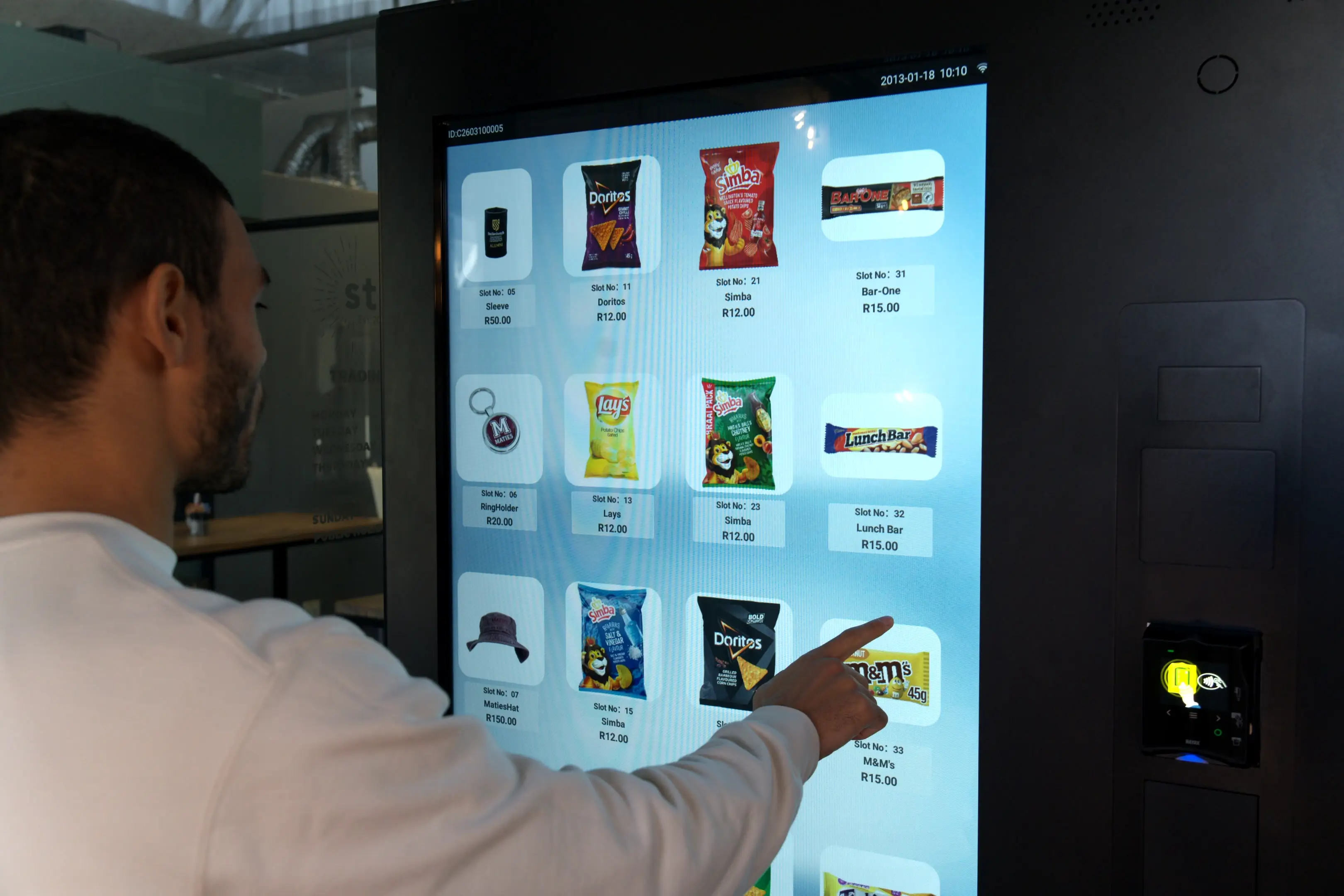
Cash means a float, a cash box, counting, banking trips, and a machine that is worth breaking into. Card and tap remove all of that. More importantly, cashless gives you data: what sold, where, when, and what did not move. That is the difference between restocking on a hunch and restocking on evidence.
The other thing sales data buys you is early warning. A machine that stops selling has usually stopped working — a jammed coil, a failed cooler, a sold-out row. Cash tells you weeks later. Cashless tells you the same day.
Most modern machines can be upgraded over the MDB port rather than replaced. If you already own a machine, send us the make and model and we will tell you whether it can take a reader before you spend anything.
What it earns
Honestly: it depends, and anyone who quotes you a monthly figure without seeing your site is guessing.
What we can tell you is what drives it. Footfall past the machine, hours of access, how well the product mix matches the audience, price point, and uptime. Of those, uptime is the one people underestimate — a machine that is empty or broken for a week earns nothing that week, and no amount of good siting fixes it.
Model it on your own numbers: units sold per day × margin per unit × 30, then subtract stock, data, fees and an honest allowance for maintenance. If it only works at optimistic volumes, it does not work.
The five mistakes we see most
- Buying the biggest machine available. Capacity you do not turn over is stock that ages in a cabinet. Match the machine to the site.
- Ignoring dimensions. Machines are 1830 mm tall and 250–335 kg. Width and access rule out more machines than budget does — measure the doorway, the lift and the turn.
- Stocking what you like. Your taste is not the data. Fill it, watch a month, then fix the planogram.
- No agreement with the site. Get placement, access, power and revenue share in writing before delivery.
- Skipping cashless to save money. It costs you the data, and the data is how you improve everything else.
Starting with one machine
One machine, sited properly, run attentively, teaches you more than three machines bought at once. It also fails cheaply if the site turns out to be wrong.
Get the first one right, learn the numbers from real sales, then buy the second with evidence instead of optimism.
Thinking about your first machine? Tell us where it would go and roughly how busy it is, and we will tell you honestly what fits — including when the cheaper machine is the right answer. See machines for sale or ask us.